 Sinxtzyron
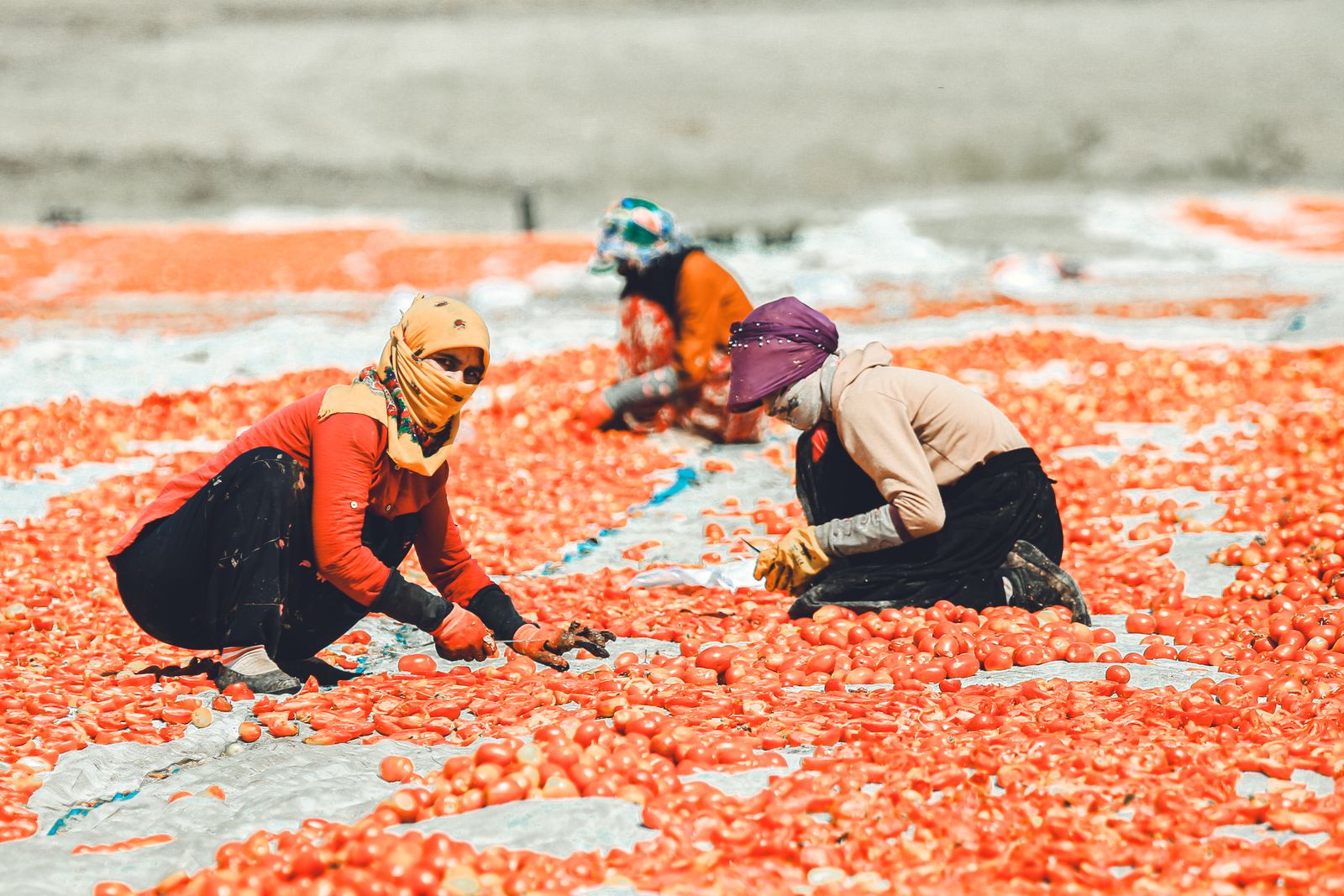
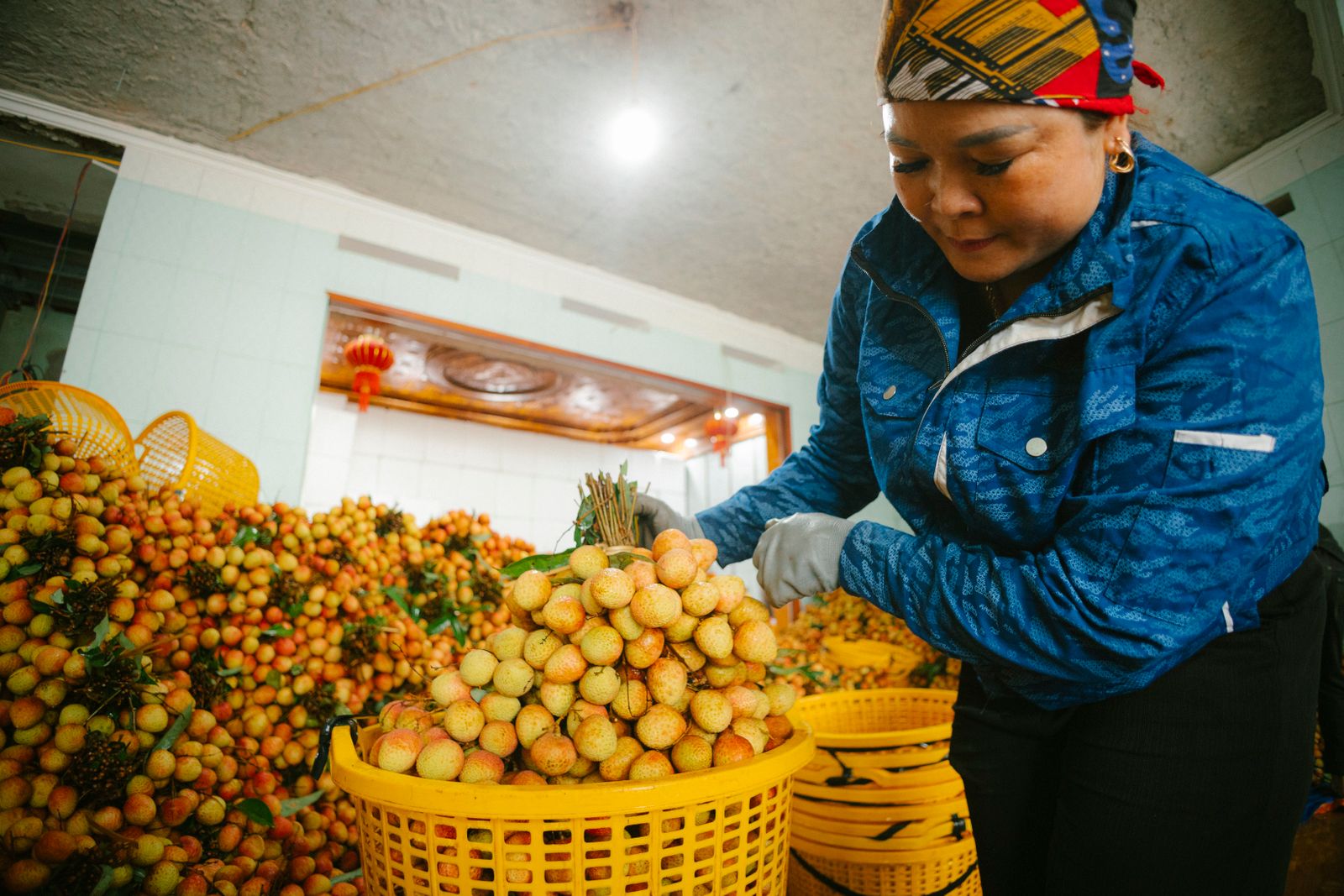
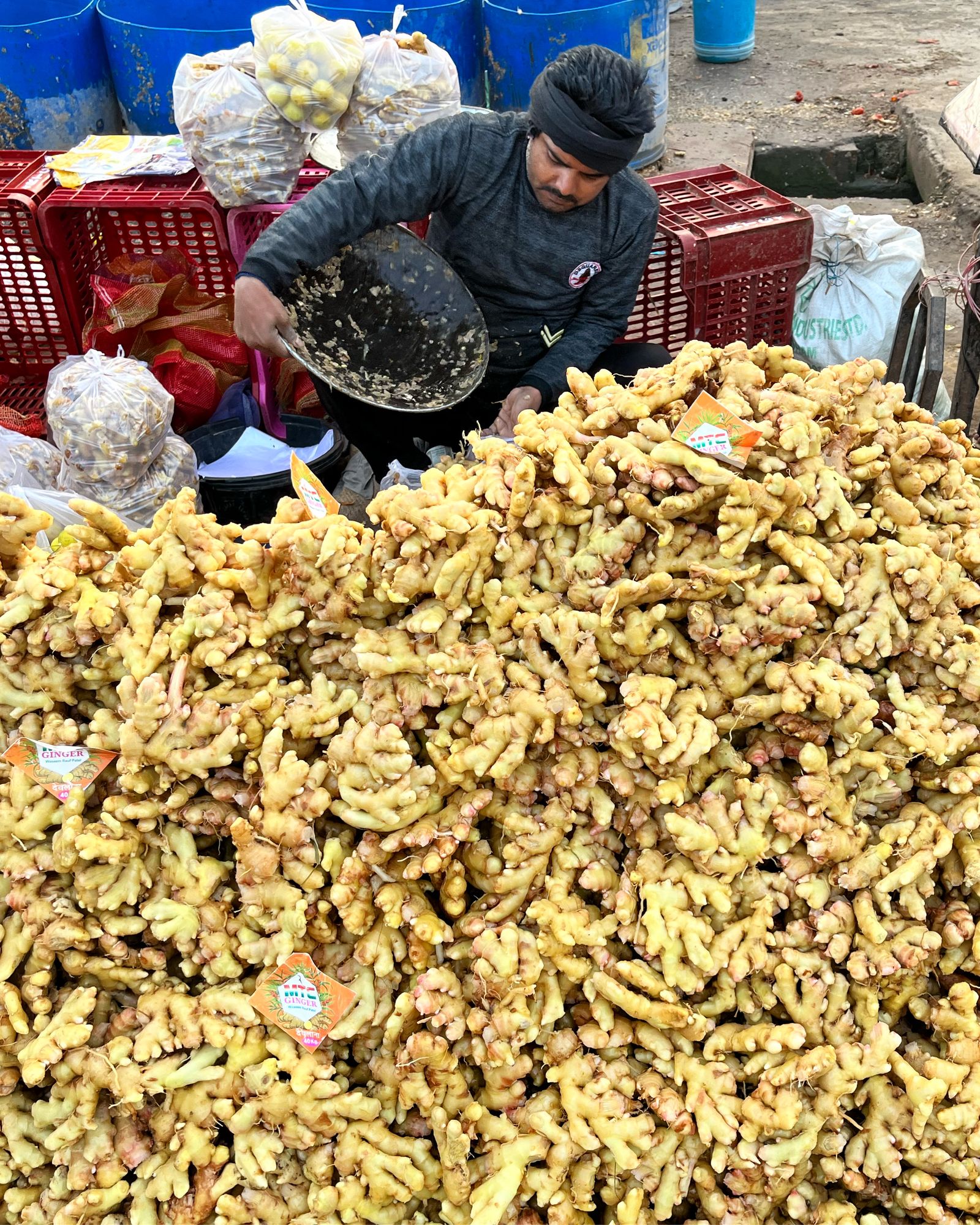
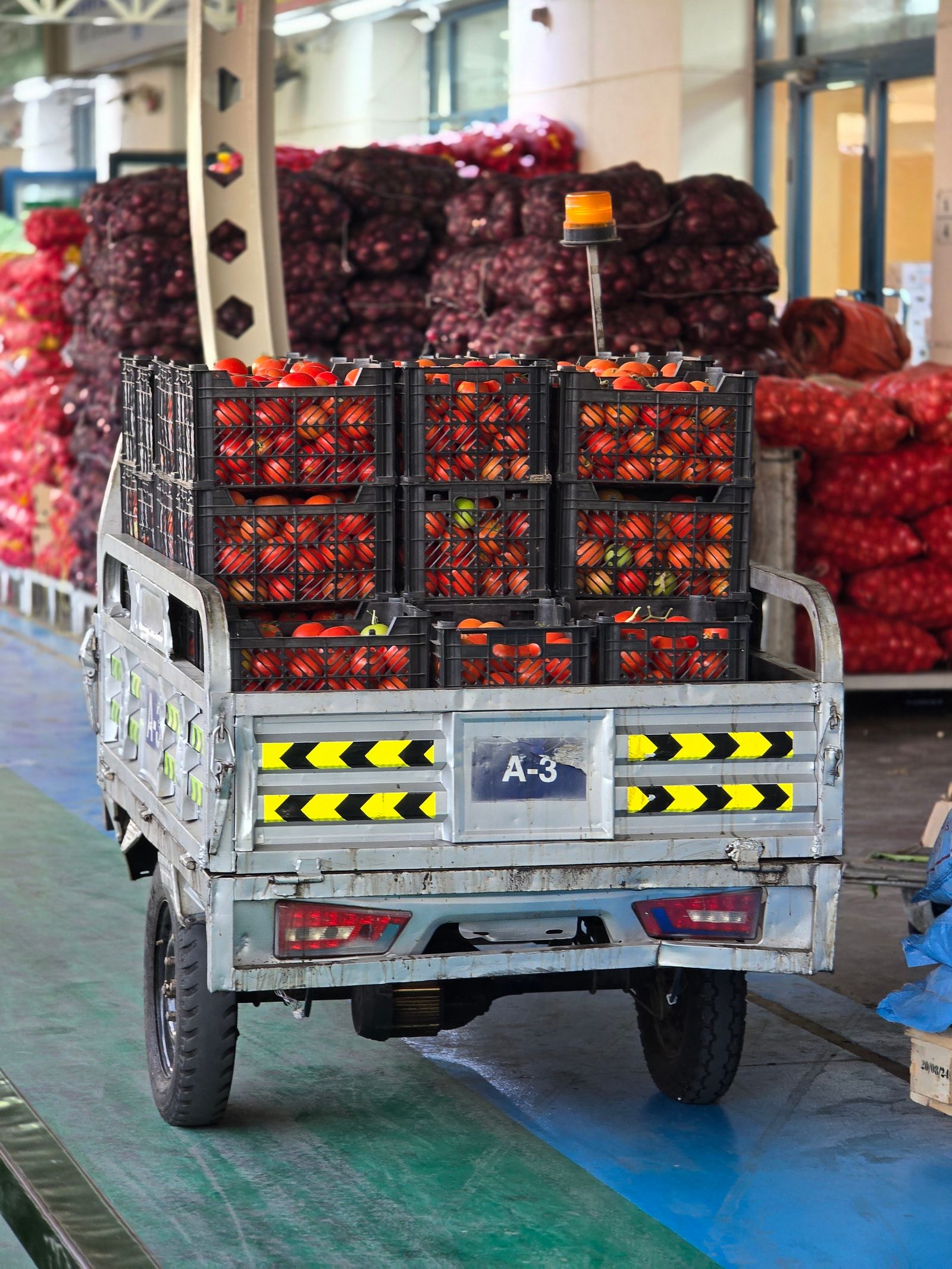
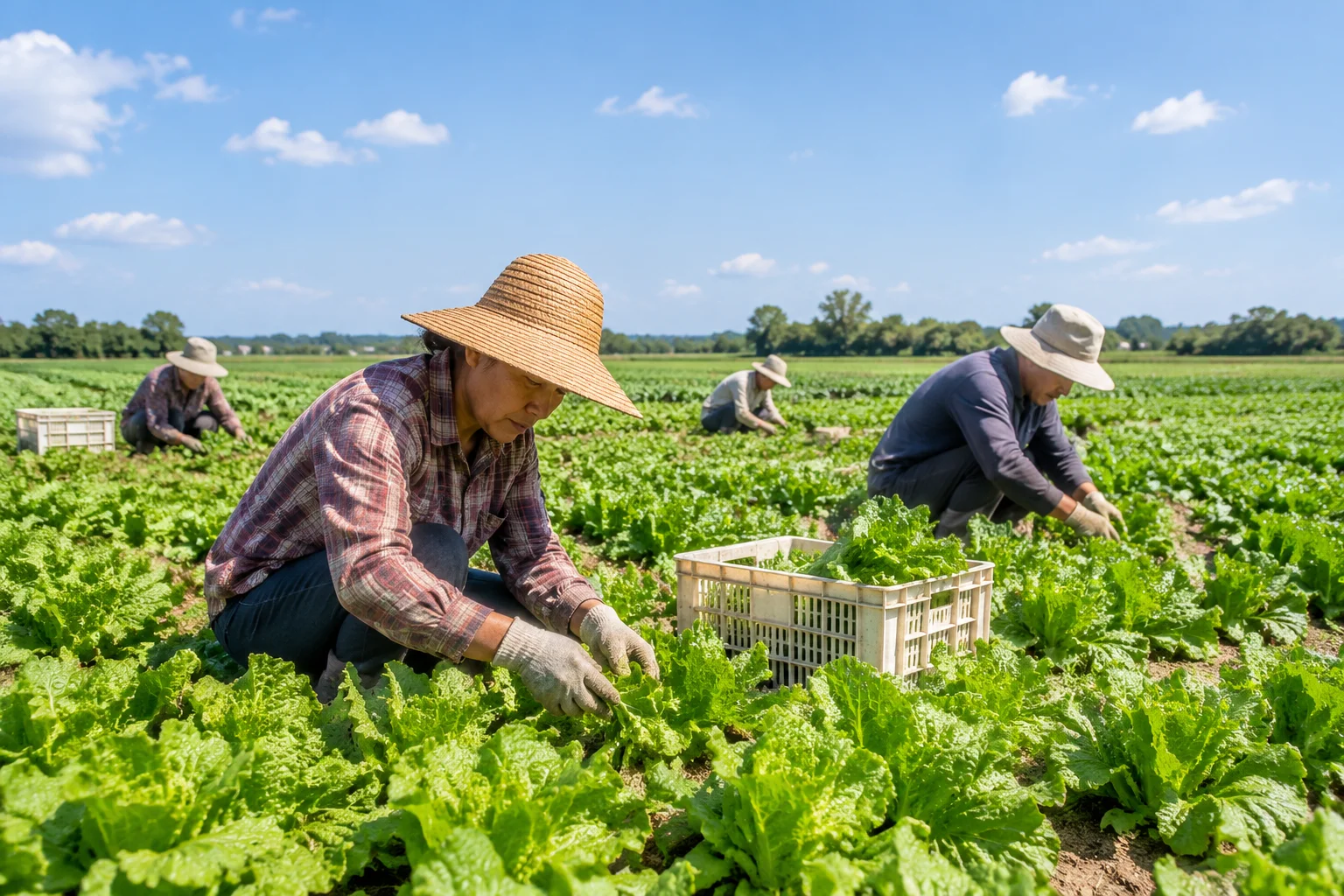
Agriculture forms the backbone of any reliable food supply chain. When retail stores and open-air markets require steady volumes of fresh vegetables, they depend entirely on the intricate cycle of planting, nurturing, and harvesting managed by experienced growers.
Understanding this journey from the open field to the commercial loading dock reveals the immense effort required to keep modern markets supplied with wholesome food.
Cultivating the Earth for Optimal Yields
Every successful harvest begins months before the first green shoot breaks through the soil. Agronomists analyze soil composition, moisture retention, and mineral balance to determine which crop varieties will thrive in specific fields. Careful tilling, organic enrichment, and precision irrigation lay the groundwork for healthy root systems.
Seeds are sown not at random, but according to strict seasonal calendars. Warm-weather crops such as tomatoes and peppers follow the receding frost, while hardy root vegetables like carrots and beets emerge during cooler spring windows. This phased planting strategy ensures that supply remains steady rather than overwhelming the storage facilities all at once.
The Delicate Art of Harvesting at Peak Ripeness
Timing remains the single most critical factor in vegetable farming. Pulling a crop too early results in bland flavor and stunted nutrients, while leaving it in the ground too long invites spoilage and pest damage. Field workers monitor sugar levels, firmness, and coloration daily.
Many delicate crops require careful hand-picking to avoid bruising the outer skin, while sturdier root vegetables rely on specialized mechanical diggers that gently lift them from the earth. Once collected, field crates are immediately transferred to shaded staging areas to halt the ripening process induced by direct sunlight.
Sorting and Grading for Commercial Standards
Bulk supply requires rigorous quality control before any truck departs for the market. Workers empty the raw harvest onto sorting tables where defective produce is removed immediately. Vegetables are then graded by size, weight, and visual blemishes.
- Removal of damaged or undersized specimens
- Optical sorting by diameter and length
- Washing with filtered water to remove residual field soil
- Preliminary air-drying to prevent moisture rot during transit
- Weighing and batching into standardized wholesale crates
This meticulous categorization allows retail buyers to purchase precisely the grade of vegetable their customer base expects, from uniform supermarket displays to open-market vendor stalls.
Packing Methods Designed for Long Transit
Proper packaging protects vegetables from the physical shocks of long-distance transport. Wooden crates, ventilated cardboard boxes, and mesh sacks are chosen based on the respiration rate of the specific crop. Leafy greens require breathable wraps to prevent wilting, whereas root vegetables tolerate denser stacking inside rigid containers.
Pallets are wrapped tightly with perforated stretch film to allow air circulation while securing the load against shifting. Forklift operators load these pallets into refrigerated trucks where internal thermometers regulate temperature and humidity down to the exact degree required by the cargo.
Navigating the Shifts of the Growing Seasons
Nature does not operate on a static factory schedule. Weather fluctuations, unexpected spring frosts, and prolonged summer droughts require constant adaptation from farm operators. Irrigation systems must compensate for dry spells, and protective netting shields tender sprouts from sudden hail storms.
Wholesale buyers who understand these natural rhythms can plan their inventory more effectively, anticipating the seasonal transitions from winter storage crops to fresh summer yields. Agriculture remains an unpredictable enterprise, but disciplined management turns seasonal uncertainty into a reliable stream of farm-fresh produce.